
Blogs

At-Home Parasite Testing: What Stool PCR Can and Can't Find
A negative stool PCR doesn't rule out every parasite. Learn what at-home parasite tests actually measure, their limitations, and when further testing is needed.

How Often Should You Retest Your Microbiome?
There's no universal retesting interval for microbiome tests. Learn when retesting is most informative and what to look for when comparing results over time.

SIBO Breath Test vs. Stool Testing: What's the Difference?
SIBO breath tests and stool microbiome tests answer different questions. Learn what each measures, their limitations, and when to use both.
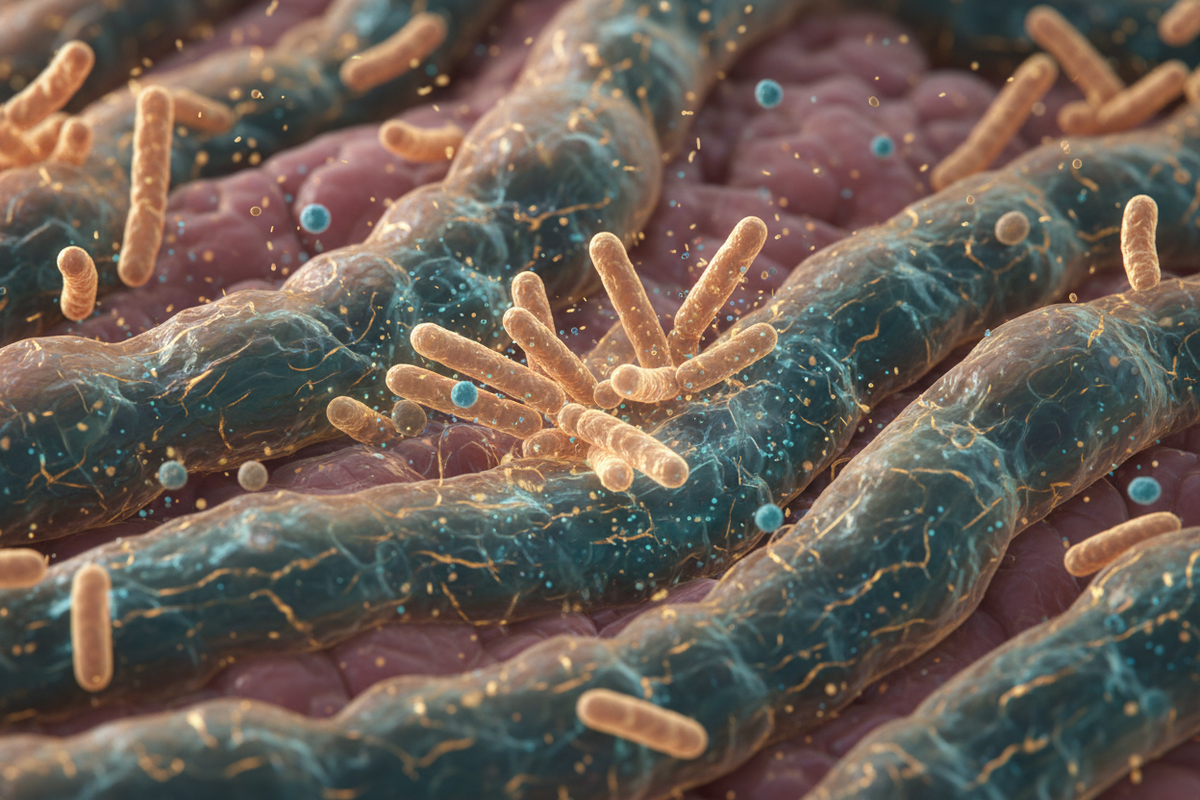
Akkermansia muciniphila: Why It Matters and When It's Too High
Akkermansia muciniphila is often labelled a "good" bacterium, but more isn't always better. Learn why ecosystem context matters for interpreting Akkermansia levels.
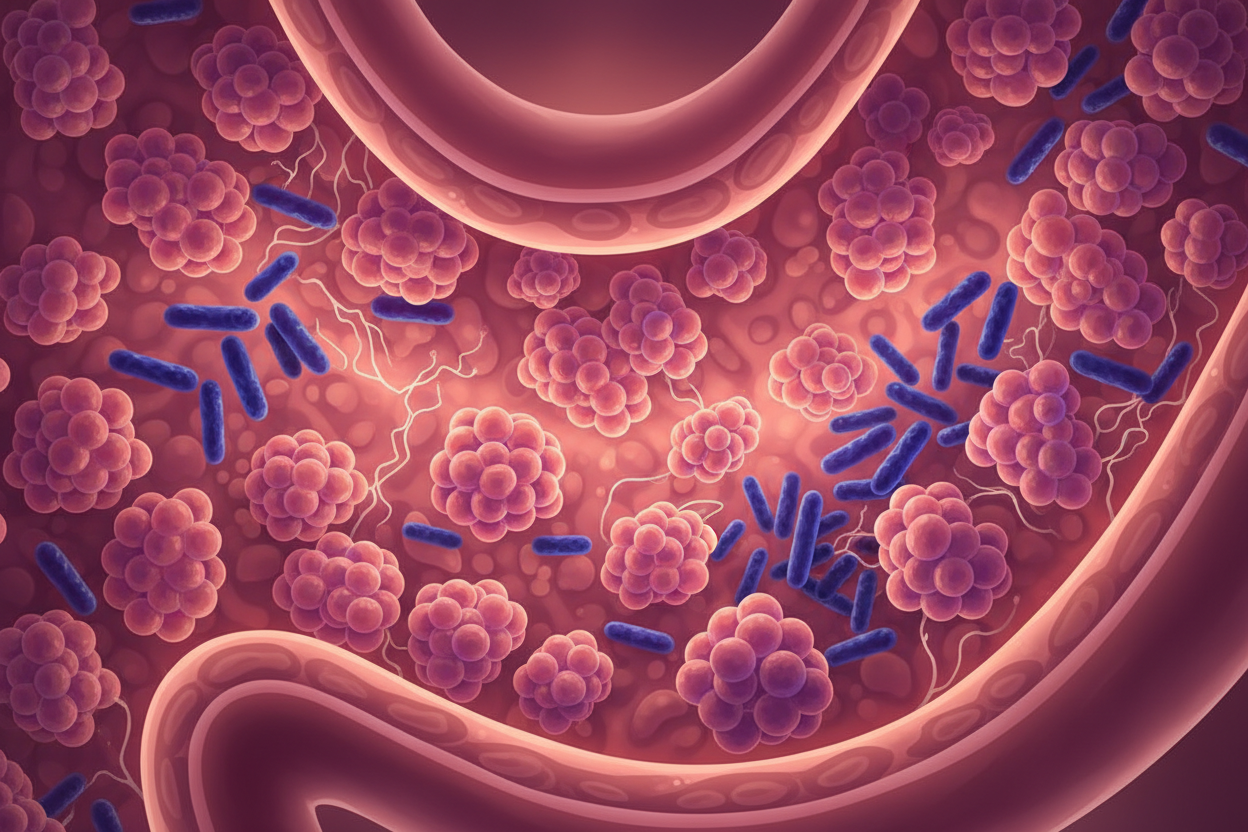
Firmicutes to Bacteroidetes Ratio: What It Actually Means
The F/B ratio is widely cited but often misunderstood. Learn what it measures, why it needs context, and how ecosystem-level testing provides a clearer picture.

Histamine Intolerance and the Gut Microbiome: Is There an Ecosystem Connection?
Explore how gut bacteria may influence histamine production and metabolism, and why ecosystem-level microbiome testing matters for histamine intolerance.

GutID vs. Genova GI Effects: Which Gut Test Is Right for Your Patients?
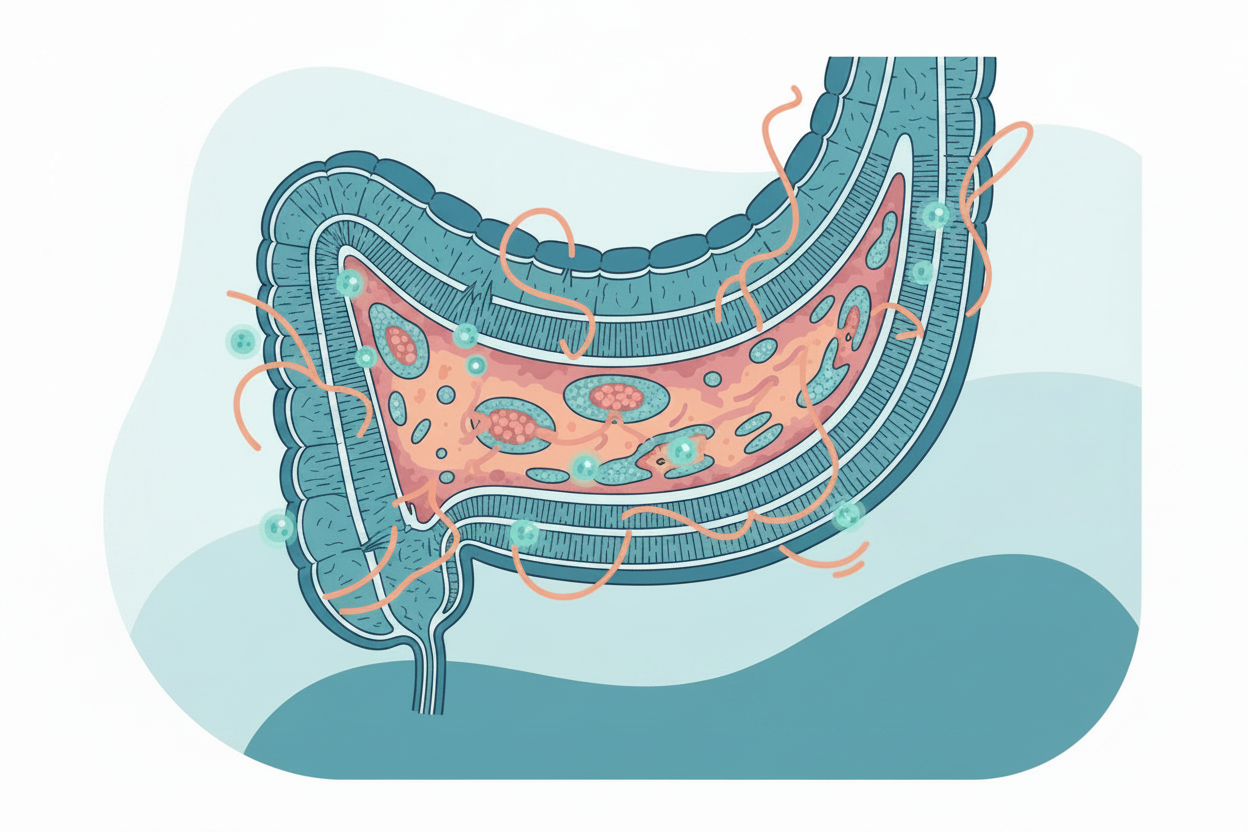
Fecal Calprotectin: What It Tells You and What It Doesn't
Fecal calprotectin measures intestinal inflammation, but it doesn't assess the microbiome. Learn what calprotectin can and can't tell clinicians and when ecosystem testing adds value.

Can Gut Microbiome Testing Help Cancer Patients Reduce Their Risk of Recurrence?
Research links the gut microbiome to cancer treatment effectiveness and recurrence risk. Learn how microbiome testing may support cancer survivors during and after treatment.