


On this page
GI-MAP® and the Gut Zoomer are both practitioner-ordered stool tests, but they are built differently. GI-MAP, from Diagnostic Solutions Laboratory (DSL), uses quantitative PCR (qPCR) on a single stool sample to report pathogens, H. pylori, commensal and opportunistic bacteria, fungi, parasites and intestinal health markers, while Vibrant Wellness's Gut Zoomer combines several laboratory methods to report a larger marker list that includes bile acids, additional antibody markers and, in its current version, urine-based neurotransmitter markers. Neither lab publishes a list price, and the clearest cost difference is billing: DSL files insurance and Medicare claims for GI-MAP, while Vibrant is cash pay only.
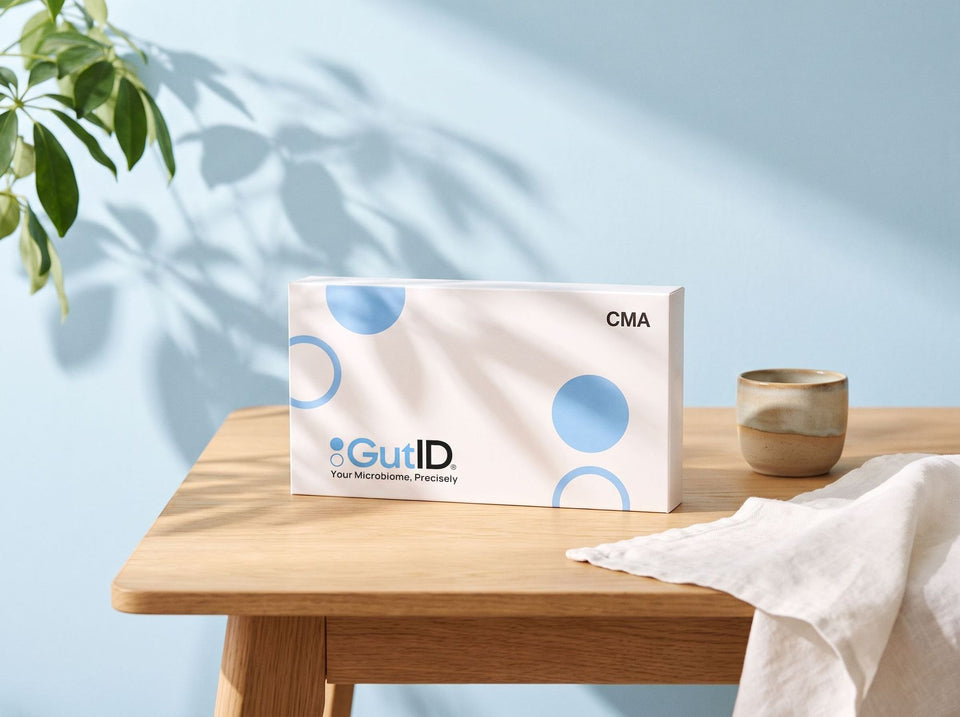
Both panels report against a defined marker list. GutID reads the bacterial community itself: Titan-1™ long-read sequencing identifies and measures every bacterium in the sample to species, including novel and uncharacterized organisms, and the approach behind it is backed by more than 30 peer-reviewed publications. With GutID Pro, a clinician gets that entire bacterial ecosystem plus 65 targeted markers in one kit and one report.
This comparison is written for functional medicine practitioners, naturopaths, dietitians and physicians deciding which panel suits a patient's question. Details on both panels come only from what each lab publishes at time of writing (October 2026). If GI Effects or GI360 is also on your shortlist, see our Gut Zoomer, GI Effects and GI360 comparison.
GI-MAP vs. Gut Zoomer at a glance
| Attribute | GI-MAP® (Diagnostic Solutions Laboratory) | Gut Zoomer (Vibrant Wellness) | GutID Pro |
|---|---|---|---|
| Who orders it | A healthcare practitioner | A licensed healthcare provider ("Clinician Order Required") | An approved US clinician, for patients 18 and over |
| Method | Quantitative PCR (qPCR) targeting each organism's DNA | Several methods matched to the marker type, including PCR-based detection, sandwich ELISA and LC-MS/MS | Titan-1 long-read sequencing of the whole bacterial community, plus eight included lab panels run by a CLIA laboratory |
| What it measures | Bacterial, parasitic and viral pathogens; H. pylori with virulence factors and resistance genes; commensal, dysbiotic and inflammatory bacteria; fungi; viruses; protozoa and worms; digestion, immune and inflammation markers | More than 100 commensal species; 76 pathogens (bacteria, parasites, fungi, viruses); inflammation, antibody, malabsorption, digestion and immune markers; bile acids, short-chain fatty acids and β-glucuronidase; diversity indices; urine neurotransmitter markers | Every bacterium in the sample to species, with relative abundance; 65 targeted markers, from enteric bacteria, enteric viruses, parasites and Candida species to calprotectin, pancreatic elastase-1, occult blood and H. pylori antigen; gut-brain, gut-immune, gut-metabolism and gut-heart axes |
| Sample | One stool sample in one vial, shipped at room temperature | Stool in two tubes plus timed urine samples; mailed within 24 hours of collection | One stool collection, two tubes |
| Results time | 7–10 business days (DSL's current figure) | Vibrant lists 7 days; its how-it-works steps say the provider receives results in 2–3 weeks | 3–4 weeks |
| Price and billing | No published price; DSL bills primary insurance and Medicare | No published price; cash pay only, HSA/FSA cards accepted | Not published; clinicians sign in for pricing |
| New York | Not available for ordering | Standard panel not available; a separate Gut Zoomer – New York configuration is offered | Not available |
| Best suited to | Organism-focused questions answered from one sample, with insurance billing available | Single orders spanning microbes, digestion, antibody markers, metabolites and gut–brain markers | The entire bacterial ecosystem plus targeted markers in one kit and one report |
How GI-MAP works
DSL describes GI-MAP (GI Microbial Assay Plus) as a comprehensive stool test that relies on qPCR to detect parasites, bacteria, H. pylori, fungi and more by targeting the specific DNA of the organisms tested, and it calls the test a diagnostic tool. Its sample report is organized into bacterial, parasitic and viral pathogens; H. pylori with virulence factors such as cagA and vacA; commensal and keystone bacteria with a Firmicutes:Bacteroidetes ratio; dysbiotic, overgrowth and inflammation-associated bacteria; fungi and yeast; viruses including cytomegalovirus and Epstein-Barr virus; and protozoa and worms.
Intestinal health markers follow: steatocrit and elastase-1 for digestion, β-glucuronidase, occult blood (FIT), secretory IgA, anti-gliadin IgA, eosinophil activation protein and calprotectin. Zonulin, fecal gluten peptide, a universal antibiotic resistance genes panel and StoolOMX™, which DSL describes as a bile acid and short-chain fatty acid test, are optional add-ons. Our guide to what a GI-MAP tests for walks through each section.
How the Gut Zoomer works
Vibrant Wellness launched a redesigned Gut Zoomer in July 2025 and now markets it without a version number, although a preparation link on its test page refers to "Gut Zoomer 5.0." Vibrant says the test uses multiple laboratory methods chosen for the markers being evaluated, naming deep metagenomic PCR (its term), high-specificity pathogen detection, sandwich ELISA and LC-MS/MS; its 2025 launch announcement also listed protein microarray.
The current marker list covers gut commensals (more than 100 species); 76 gut pathogens spanning bacteria, parasites, fungi and viruses; inflammation markers such as calprotectin and S100A12; gut antibody markers such as tTG, DGP and ASCA; malabsorption markers such as total fecal fat; and digestion and immune balance markers (FIT, fecal zonulin, pancreatic elastase-1, stool pH and secretory IgA). Gut metabolites include β-glucuronidase, bile acids and short-chain fatty acids, and the report adds Shannon and Simpson diversity indices and phylum ratios. Vibrant also lists neurotransmitter and neuroactive metabolite markers measured in timed urine samples, which it presents as a view of the gut–brain axis, and notes that providers may order targeted panels with fewer markers.
Key differences for clinicians
Method. GI-MAP measures organisms on one qPCR platform and reports intestinal health markers alongside them. The Gut Zoomer, according to Vibrant, assigns its marker groups to different methods, spanning PCR, immunoassay and mass spectrometry.
Overlap and scope. Both report commensal bacteria, pathogens, fungi, parasites, calprotectin, pancreatic elastase-1, secretory IgA, β-glucuronidase and occult blood. GI-MAP's core report includes H. pylori virulence factors and antibiotic-resistance genes, and its antibody and fat-absorption markers are anti-gliadin IgA, secretory IgA and steatocrit. The Gut Zoomer lists a wider set, including tTG, DGP and ASCA antibodies and fecal fat and triglyceride markers, and adds diversity indices and urine neurotransmitters. Bile acids and short-chain fatty acids sit in the Gut Zoomer's metabolite section and are available for GI-MAP through the StoolOMX add-on.
Collection. GI-MAP needs one stool sample in one vial; DSL's collection sheet asks that it reach the lab within 10 days of collection and be refrigerated if it can't ship the same day. The current Gut Zoomer kit pairs stool tubes with urine collection and ships within 24 hours.
New York. GI-MAP is not available for ordering in New York State, and neither is the standard Gut Zoomer. Since August 2026, Vibrant has offered Gut Zoomer – New York, a configuration of 146 markers across six areas, for patients with a New York shipping address.
Billing. DSL is out of network with commercial insurers but bills primary insurance for GI-MAP and GI-MAP with Zonulin, requires a deposit except for traditional Medicare, and is a participating Medicare provider, with claims requiring a PECOS-enrolled ordering clinician. Vibrant does not accept insurance or Medicare.
When GI-MAP is the right choice
- The question centers on named organisms you want quantified by qPCR, including H. pylori with virulence factors and resistance genes.
- The patient wants the lab to file an insurance claim, or has traditional Medicare and an ordering clinician enrolled in PECOS.
- One collection shipped at room temperature keeps the patient's side of the process short.
When the Gut Zoomer is the right choice
- You want microbes, digestion and malabsorption markers, antibody markers and metabolites such as bile acids and short-chain fatty acids in one order.
- Urine neurotransmitter markers matter; Vibrant ties them to gut–brain concerns such as brain fog, anxiety and sleep changes.
- The patient lives in New York, where Vibrant offers a dedicated configuration, or you want a targeted panel with fewer markers.
- The patient is ready for cash pay, with HSA and FSA cards accepted.
Whichever panel you choose, anyone with a suspected acute infection or red-flag symptoms, such as blood in the stool, unexplained weight loss, fever, or severe or persistent diarrhea, should see a clinician for diagnostic testing.
When GutID Pro is the better choice
- You want the whole ecosystem, not a list. Titan-1 reports diversity, balance and the relative abundance of every bacterium it identifies, including organisms no panel was built to find, and each retest shows how the whole community has shifted.
- You also want targeted markers. Enteric bacteria, enteric viruses, parasites, Candida species, C. difficile toxin, calprotectin, pancreatic elastase-1, occult blood and H. pylori antigen are included.
- You want one collection and one report. A second tube from the same collection goes to the lab panels, and all results return together.
Approved US clinicians order and interpret GutID Pro for patients 18 and over, outside New York State. Request a clinician account.
Why GutID sees more
A marker list is decided before the sample arrives. That suits confirming organisms you already suspect, but anything off the list goes unreported. Titan-1 starts from the sample instead and sees the entire bacterial ecosystem: which species are present, in what relative abundance, how diverse and balanced the community is, and how it shifts between tests.
The read makes the difference. Titan-1 reads one continuous ~2,500-base fragment of ribosomal DNA from a patented amplicon, spanning the full 16S gene, the internal transcribed spacer (ITS) and the start of the 23S gene. Short-read 16S tests typically read about 250 bases (V4) or 460 (V3–V4), so Titan-1 reads roughly 5–10 times more of each bacterium's ribosomal DNA. GutID's own classifier identifies organisms from that whole read rather than matching short markers to a fixed database, so organisms are separated and quantified even when no species name exists.
The method is peer reviewed: more than 30 publications use the long-read approach behind Titan-1, in journals including mBio and Microbial Genomics (see the science and the evidence). In a 2022 Microbial Genomics study comparing short-read 16S profiling with long-read profiling of the 16S-ITS-23S amplicon, Gehrig and colleagues found that only the long-read approach provided "strain-level community resolution and insight into novel taxa."
Every sample is processed by a CLIA laboratory in the United States. GutID Pro fills a second tube from the same collection for 65 targeted markers, and both results share one report. See the GutID sample report.
Frequently asked questions
What is a Gut Zoomer test?
The Gut Zoomer is Vibrant Wellness's practitioner-ordered gut panel. The current version pairs a stool sample with timed urine samples and reports commensal bacteria, pathogens, inflammation, antibody, malabsorption and digestion markers, gut metabolites and urine neurotransmitter markers.
How much does the Gut Zoomer cost compared with GI-MAP?
Vibrant does not list a Gut Zoomer price on its test page or its billing page at time of writing, and DSL does not publish one for GI-MAP, so ask the ordering provider or the lab for current pricing. Billing is the clear difference: DSL bills primary insurance for GI-MAP and files traditional Medicare claims, while Vibrant bills all testing as cash pay, accepts HSA and FSA cards and does not provide superbills. Our guide to GI-MAP test cost covers deposits, insurance and Medicare.
Can patients order GI-MAP or the Gut Zoomer themselves?
No. DSL states that a healthcare practitioner needs to order GI-MAP, and Vibrant's page reads "Clinician Order Required." Both labs point patients who don't have a provider toward help finding one.
Should I order the Gut Zoomer or GI-MAP?
Start from the clinical question. GI-MAP is designed to quantify organisms, including H. pylori virulence factors, from one room-temperature sample, with insurance billing available. The Gut Zoomer is designed to bundle microbial, digestive, antibody, metabolite and gut–brain markers in one cash-pay order.
Is GutID better than GI-MAP or the Gut Zoomer?
For seeing the entire bacterial ecosystem, yes, because GutID isn't limited to a marker list. Titan-1 identifies and measures every bacterium in the sample to species, including novel organisms, from a read 5–10 times longer than a short-read 16S test, and more than 30 peer-reviewed publications use the approach. GutID Pro adds 65 targeted markers in the same kit, so the ecosystem and the panel come back in one report.
What does GutID Pro add?
The full Complete Microbiome Assessment, plus 65 markers that a CLIA laboratory runs on a second tube from the same collection: a GI panel of twelve enteric bacteria (including Salmonella, Campylobacter and the diarrheagenic E. coli groups), six enteric viruses, six parasites and six Candida species, which also reports C. difficile toxin NAAT; quantitative calprotectin, pancreatic elastase-1 and fecal occult blood; H. pylori stool antigen; and 31 commensal and dysbiotic markers, each with its own reference range. Approved US clinicians order it for patients 18 and over, outside New York State; patients can ask their clinician.
Sources
- GI-MAP — Diagnostic Solutions Laboratory (accessed October 30, 2026)
- GI-MAP Sample Report — Diagnostic Solutions Laboratory (accessed October 30, 2026)
- GI-MAP Collection Instructions — Diagnostic Solutions Laboratory (accessed October 30, 2026)
- Billing Policies for Patients — Diagnostic Solutions Laboratory (accessed October 30, 2026)
- Gut Zoomer — Vibrant Wellness (accessed October 30, 2026)
- Stool Sample Collection Instructions — Vibrant Wellness (accessed October 30, 2026)
- Billing, Payment & Insurance Information — Vibrant Wellness (accessed October 30, 2026)
- Vibrant Wellness Launches Redesigned Gut Microbiome Test With Broader Microbial and Metabolic Insights — Vibrant Wellness via Newswire (accessed October 30, 2026)
- Vibrant Wellness Brings the Most Comprehensive Gut Health Test to New York — Vibrant Wellness via Newswire (accessed October 30, 2026)
- Finding the right fit: evaluation of short-read and long-read sequencing approaches to maximize the utility of clinical microbiome data (Gehrig et al., 2022) — Microbial Genomics (accessed October 30, 2026)
GutID provides wellness and educational insights and is not a diagnostic test. GI-MAP®, StoolOMX™ and Gut Zoomer are trademarks of their respective owners. GutID is not affiliated with Diagnostic Solutions Laboratory or Vibrant Wellness.
This article is for education and is not medical advice. GutID provides wellness and educational insights and is not a diagnostic test.
