



For clinicians · Live online · 3 BANT CEUs · 5 CPEUs
Certified Practitioner Programme
£350
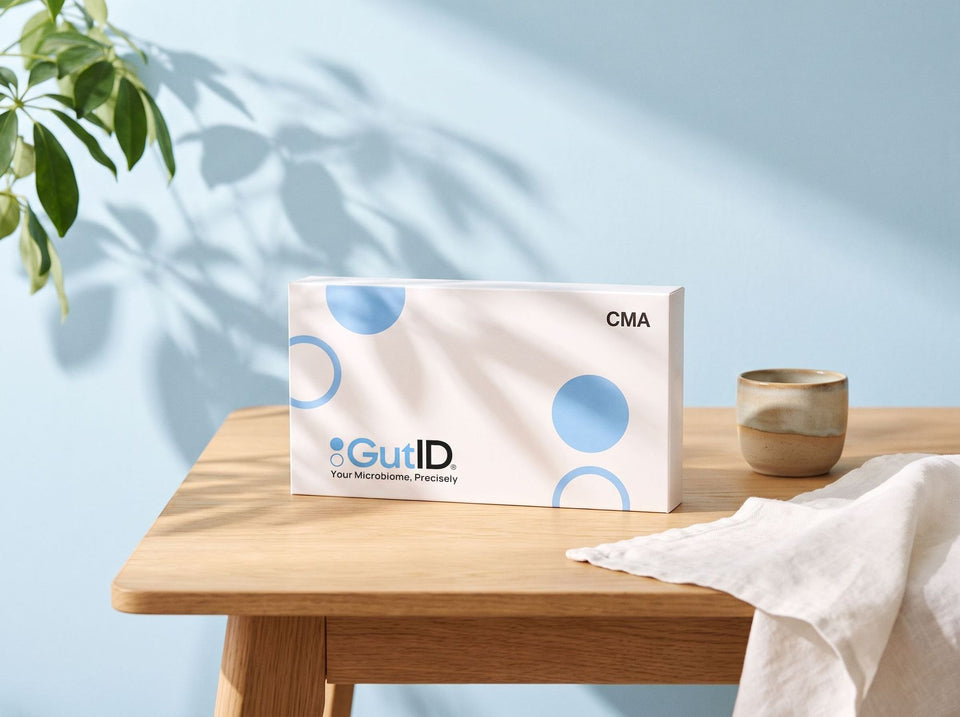
Learn to read the gut microbiome as an ecosystem, then turn a report into a prioritised, personal plan you can defend. Three live modules with Elena Panzeri, run with The Nutrition Health Collective. Enrollment includes a Complete Microbiome Assessment kit at no charge.
Module 1 is recorded. Enroll now to get the replay and slides, and catch up before Module 2 goes live on Wednesday 25 November.
Not enrolling yet?

Live modules · 1:00–2:30pm UK · 8:00–9:30am ET
- 01FoundationsWednesday 21 OctoberRecorded · watch now
- 02InterpretationWednesday 25 NovemberLive · 90 min
- 03Protocol designWednesday 9 DecemberLive · 90 min
- Three live 90-minute modules, each recorded, with slides
- Real cases worked through in every module
- Knowledge checks, then a 30-minute final certification assessment
- Accredited: 5 CPEUs through CDR and 3 CEUs through BANT
- A Complete Microbiome Assessment kit, at no charge
Questions before you enroll? Our team replies within one business day. Ask us
Module 1 is ready to watch
Missed 21 October? You haven't missed the programme.
Module 1 was recorded in full. Enroll today and you get the replay and the slides, so you can watch it in your own time and join Module 2 live on Wednesday 25 November.
- Full recording
- Slides
- The worked case

The curriculum
Three modules. From ecosystem, to patient, to protocol.
Elena Panzeri's programme moves from how to think about a microbiome, to how to read one in the context of a real patient, to how to build an intervention you can sequence, monitor and defend.
Every module, the same rhythm · 90 minutes, live
- Teaching60 min
- A real case15 min
- Knowledge check10 min
- Live Q&A5 min
Thinking beyond the box… and the bugs
An ecosystem-based approach to clinical microbiome interpretationRecorded · watch on enrollment
Thinking beyond the box… and the bugs
An ecosystem-based approach to clinical microbiome interpretationWhat it covers
- From "good versus bad bacteria" to microbial ecosystemsWhy organism-by-organism reading misleads, and why presence does not mean disease.
- Diversity, community structure and ecological resilienceAlpha and beta diversity, stability, redundancy and functional capacity: what each can and cannot tell you.
- Host–microbiome interactionsDiet, lifestyle, medication including antibiotics, the gut barrier, immunity and inflammation.
- Microbiome testing: what the data can and cannot tell usRelative versus absolute abundance, detection versus significance, reference ranges, association versus causation.
- Applied clinical caseA real profile, read as an ecosystem in the context of the patient's history.
You'll be able to
- Describe the microbiome as a dynamic ecosystem and read single findings in their ecological context
- Tell diversity, community structure, stability and resilience apart, and interpret each clinically
- Explain how diet, medication, lifestyle and host physiology shape microbial communities
- Separate detection, abundance and clinical significance, and spot over-interpretation
From patterns to patients
Why microbiome profiles don't always match clinical expectationsLive · 1:00pm UK · 8:00am ET
From patterns to patients
Why microbiome profiles don't always match clinical expectationsWhat it covers
- Reading patterns rather than organism listsCo-occurrence, community relationships, and functional versus taxonomic interpretation.
- Identifying clinically meaningful patternsSignatures of disruption, reduced resilience, inflammatory patterns, pathobiont expansion and lost functions.
- Connecting microbiome findings with the patientSymptoms, history, diet, medication, supplements and prior antimicrobial exposure, and why timing matters.
- Avoiding over-interpretation and navigating uncertaintyBiological variability, unnecessary antimicrobial or probiotic interventions, and when to investigate further.
- Applied complex caseContradictory findings, competing explanations, and deciding what not to act on.
You'll be able to
- Find ecosystem-level patterns in complex profiles instead of reacting to isolated "high" or "low" organisms
- Prioritise findings by their likely clinical relevance
- Integrate the patient's history before drawing conclusions from the data
- Recognise when uncertainty should be acknowledged rather than turned into a treatment
Precision microbiome interventions
Prioritising, personalising and sequencing clinical strategiesLive · 1:00pm UK · 8:00am ET
Precision microbiome interventions
Prioritising, personalising and sequencing clinical strategiesWhat it covers
- From interpretation to interventionWhen a finding warrants action, drivers versus downstream effects, and realistic goals.
- Prioritising ecosystem disruptorsDiet, medication, alcohol, antimicrobial exposure and inflammatory drivers, addressed before layering interventions.
- Nutrition to support microbial resilienceDietary diversity, fibre and substrates, prebiotics and polyphenols, without unnecessary restriction.
- Personalised microbiome interventionsProbiotics, prebiotics and antimicrobial strategies where clinically appropriate, within professional scope.
- Sequencing, monitoring and reassessmentPhased strategies, monitoring response, and repeat testing that informs, not replaces, clinical judgement.
- Applied case: a personal, ecosystem-based protocolFrom a complex report to a prioritised, sequenced plan with monitoring built in.
You'll be able to
- Decide which findings warrant intervention and which only warrant monitoring
- Address the drivers of disruption before adding interventions
- Select, justify and sequence nutrition and microbiome-directed interventions
- Design a phased protocol with monitoring and reassessment, adapted to the patient's response
Five hours, accounted for
300 minutes. 5 CPEUs.
Three 90-minute live modules and a 30-minute final certification assessment, accredited through CDR for 5 CPEUs and through BANT for 3 CEUs.
- Teaching, live180 min
- Case-based application, live45 min
- Knowledge checks and final assessment60 min
- Q&A and discussion, live15 min
- Total300 min · 5 CPEUs
Final certification assessment
Integration, not recall.
After Module 3, a 30-minute assessment asks you to bring all three modules together on a real microbiome profile.
- 10minKnowledgeMicrobial ecology, diversity and resilience, testing and interpretation, clinical relevance.
- 10minCase interpretationFrom a profile: the key ecosystem characteristics, meaningful patterns, findings that need caution and the clinical context.
- 10minClinical strategyPriorities, disruptors, the intervention strategy and its sequence, monitoring and reassessment.

Built for practice
For clinicians who order, or interpret, microbiome tests.
Dietitians, nutritional therapists, naturopaths and integrative and functional medicine clinicians. You leave able to:
- Read any microbiome report as an ecosystem, within the context of the individual patient
- Separate actionable findings from those that need cautious interpretation
- Build, prioritise and sequence a personal, ecosystem-based intervention
- Judge the response and know when reassessment is appropriate
Your faculty
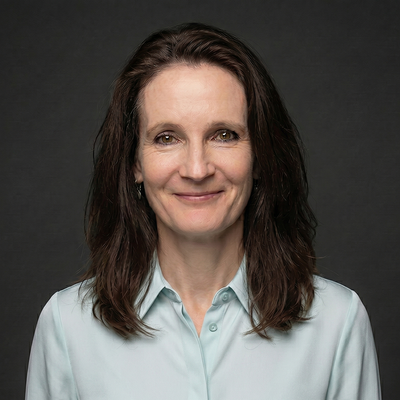
Elena Panzeri, MSc
Head of Clinical Education and Training, GutID · Author and presenter of the programme
Elena Panzeri is Head of Clinical Education and Training at GutID, where she turns microbiome results into practical guidance for clinicians and the people they treat. She holds an MSc in Nutrition and Genetics from St Mary's University, Twickenham, an MSc in Biology from the University of Camerino and a BSc in Health Sciences (Nutritional Therapy) from the University of Westminster, and is a PhD researcher at St Mary's studying the oral–gut microbiome in Parkinson's disease. A Microbiome and Personalized Nutrition Practitioner, she writes the weekly newsletter The Post-Average Era on multi-omics and ultra-personalised nutrition.
More about ElenaCredentials
- MSc Nutrition and Genetics, St Mary's University, Twickenham
- MSc Biology, University of Camerino
- BSc Health Sciences: Nutritional Therapy, University of Westminster
- PhD researcher, St Mary's University, Twickenham (oral–gut microbiome in Parkinson's disease)
- Microbiome and Personalized Nutrition Practitioner
 Run with The Nutrition Health Collective
Before you enroll
Questions, answered.
Anything else? Our team replies within one business day. Ask us
I missed a live module. Can I still join?
Yes. Every module is recorded in full. When you enroll you get the recording and slides for Module 1, which ran on Wednesday 21 October, so you can catch up before Module 2 goes live on Wednesday 25 November.
What time are the live modules?
Each module runs from 1:00 to 2:30pm UK time, which is 8:00 to 9:30am US Eastern and 5:00 to 6:30am Pacific. The dates are Wednesday 21 October, Wednesday 25 November and Wednesday 9 December.
What if I can't attend live?
Every module is recorded. The recording and slides usually arrive within 24 hours, so you can watch in your own time.
Is the programme accredited?
Yes. The programme is accredited through CDR for 5 CPEUs and through BANT for 3 CEUs. It runs 300 minutes in total: three 90-minute modules and a 30-minute final certification assessment.
How is certification assessed?
Each module ends with a short knowledge check. After Module 3, a 30-minute final certification assessment brings the programme together in three parts: knowledge questions, a case interpretation and a clinical strategy built from a microbiome profile.
When will my Complete Microbiome Assessment kit arrive?
We create your kit order automatically when you enroll, at no charge, and ship it to the address on your order. Buyers in the UK receive the UK kit; buyers in the US and Canada receive the US kit. If it should go somewhere else, contact us and we'll update it.
Who teaches the programme?
Elena Panzeri, MSc, GutID's Head of Clinical Education and Training, who wrote the curriculum and presents every module. The programme runs with The Nutrition Health Collective.
Next live module · Wednesday 25 November
See the whole ecosystem. Then know what to do with it.
Enroll today, catch up on the recording, and join the rest live.
Not enrolling yet?
Start smaller. Both of these are free.
 Request clinician accessStock kits for your practice, or send patients a link to order. We set up your account on a short call. Approved the same day.Request access
 Get the Clinician Guide109 pages on interpreting the GutID Microbiome Report. We email you the PDF.Get the guide
Prefer to talk first? Book a 30-minute call (opens in a new tab)