
Blogs
Best Gut Microbiome Test (2026): A Buyer's Guide
Comparing gut microbiome tests in 2026? This guide breaks down GutID, Thorne, Viome, GI-MAP, Tiny Health, ZOE, and more — by technology, resolution, and clinical value.

How Much Does a Microbiome Test Cost? Insurance, HSA & FSA Coverage Explained
Microbiome tests range from $100 to $500+. Learn what drives the cost, whether insurance covers gut testing, and how to use your HSA or FSA for a GutID test.

Testing Your Gut After Antibiotics: When and Why You Should Consider a Microbiome Test
Digestive issues after antibiotics? Learn when to test your gut microbiome, what to look for in the results, and how ecosystem-based testing can guide recovery.

Best Microbiome Test for Bloating: Understanding What's Really Causing Your Symptoms
Bloating keeps coming back despite diet changes? Learn how gut microbiome testing can reveal ecosystem patterns behind chronic bloating and guide more personalized care.

How to Offer Microbiome Testing in Your Clinic: A Practical Guide for Clinicians
The gut microbiome has become one of the fastest-growing areas of clinical research, with studies linking microbial health to digestive disorders, autoimmune disease, metabolic health, mental health, and healthy aging.

GutID® vs. Thorne Gut Health Test: Which Provides the Most Accurate Picture of the Gut Microbiome?
Comparing GutID and Thorne gut health tests? Learn how Titan-1™ long-read sequencing and shotgun metagenomics differ in measuring bacterial diversity and relative abundance.

Shotgun metagenomics sequences everything. Long-read sequencing measures bacteria directly. Learn how each approach affects diversity, relative abundance, and clinical interpretation.
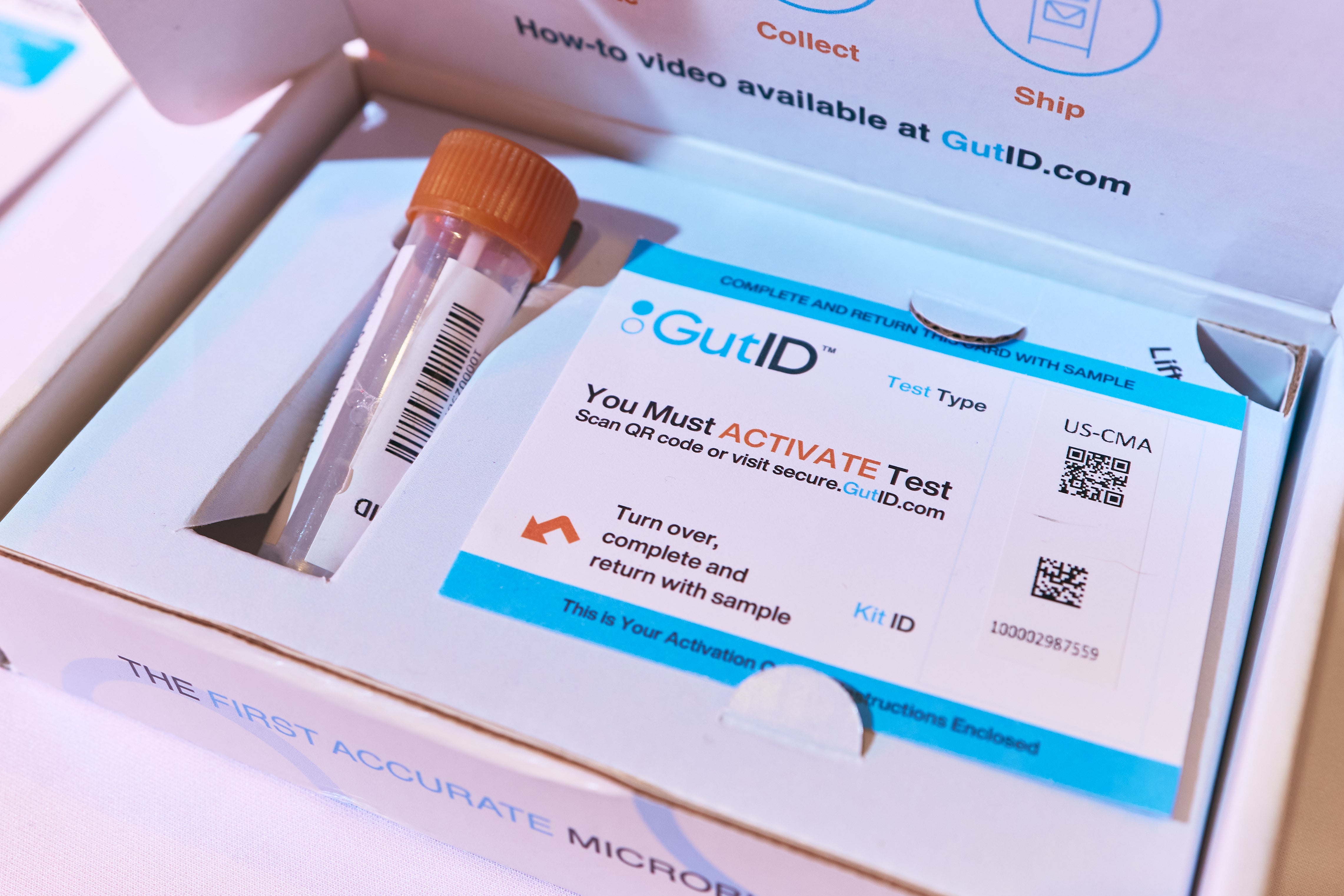
GutID® vs. GI-MAP: Is the Practitioner Standard Still Accurate?
Learn how GutID® compares to GI-MAP. Explore differences in sequencing technology, clinical accuracy, ecosystem analysis, and why microbiome testing is evolving.

Gut Dysbiosis: Signs, Causes, and How Testing Measures It
Gut dysbiosis describes an imbalance in the community of bacteria living in the digestive tract. Understanding what it is, what drives it, and how it is measured is the first step toward a more informed conversation about gut health.