
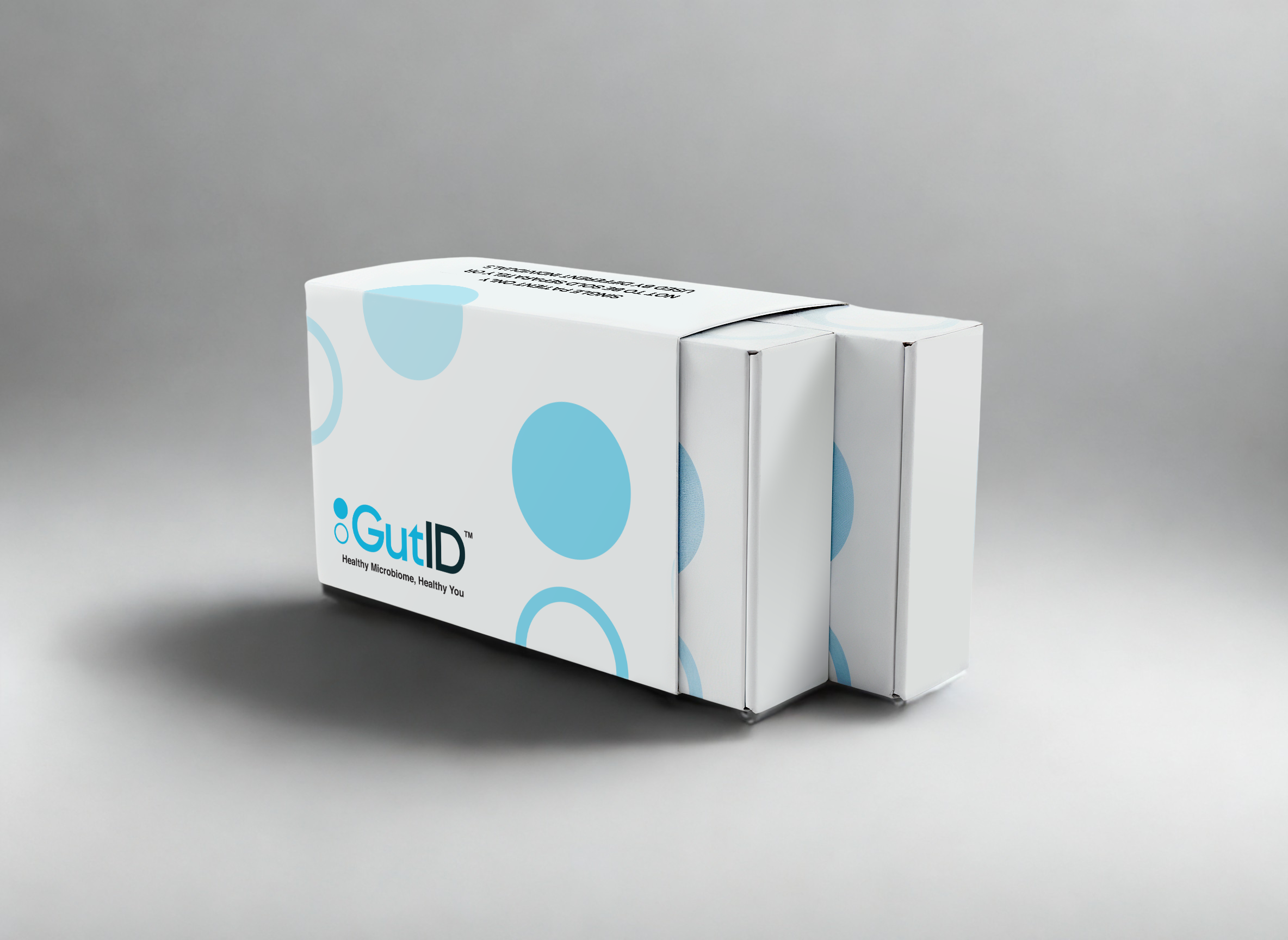

Antibiotics save lives.
They've transformed modern medicine by treating bacterial infections that were once life-threatening. But antibiotics don't just eliminate the bacteria causing an infection—they also affect many of the beneficial bacteria that make up your gut microbiome.
For most people, the microbiome gradually recovers over time.
For others, the ecosystem may not fully return to its previous state.
If you've taken antibiotics and are now experiencing bloating, digestive discomfort, food sensitivities, or changes in your bowel habits, you may be wondering:
Should I test my gut after antibiotics?
The answer depends on your symptoms, your health history, and what you're hoping to learn.
How Do Antibiotics Affect the Gut Microbiome?
Your gut is home to trillions of bacteria that work together as an ecosystem.
These microbes help:
- Digest food
- Produce vitamins
- Support your immune system
- Maintain the gut lining
- Produce short-chain fatty acids
- Help prevent harmful organisms from taking hold
Antibiotics aren't able to distinguish between harmful and beneficial bacteria.
As a result, they can temporarily—or in some cases, more persistently—alter the composition of the bacterial ecosystem.
Research has shown that antibiotics may reduce:
- Microbial diversity
- Beneficial bacteria
- Ecosystem resilience
- Functional capacity
At the same time, they may create opportunities for opportunistic organisms to expand while selecting for bacteria that carry antibiotic resistance genes.
Does Everyone Need a Microbiome Test After Antibiotics?
Not necessarily.
Many people recover without developing long-term digestive symptoms.
However, microbiome testing may be worth considering if you:
- Continue experiencing bloating after completing antibiotics
- Develop constipation or diarrhea that persists
- Notice new food sensitivities
- Experience recurrent digestive symptoms
- Have taken multiple rounds of antibiotics over several years
- Have a history of recurrent infections requiring antibiotics
- Want to understand how antibiotics may have influenced your gut ecosystem
Rather than assuming the microbiome has fully recovered, testing can provide a clearer picture of your current bacterial ecosystem.
What Happens to the Microbiome After Antibiotics?
Recovery isn't always straightforward.
Some bacterial species return within weeks.
Others may take months.
Some may not fully recover without intentional dietary and lifestyle support.
The speed and extent of recovery depends on several factors, including:
- The type of antibiotic used
- Duration of treatment
- Number of antibiotic courses
- Diet
- Fiber intake
- Overall health
- Age
- Previous microbiome diversity
Every person's microbiome responds differently.
That's why measuring the ecosystem can be more informative than guessing.
What Should a Microbiome Test Look For After Antibiotics?
The goal isn't simply to determine whether antibiotics changed the microbiome.
The goal is to understand how they changed it.
A high-quality microbiome test should evaluate:
Ecosystem Resilience
Antibiotics often reduce bacterial diversity and richness.
Understanding resilience helps determine how well the ecosystem may recover and respond to intervention.
Diversity and Ecological Balance
A healthy microbiome contains hundreds of bacterial species living in balance.
After antibiotics, some organisms may disappear while others expand to fill the ecological space.
Understanding these shifts provides valuable context for treatment planning.
Beneficial Bacteria
Certain bacteria play important roles in:
- Producing short-chain fatty acids
- Supporting the gut lining
- Regulating inflammation
- Maintaining ecosystem stability
Looking at these organisms within the context of the entire ecosystem helps clinicians determine whether restoration strategies may be appropriate.
Functional Potential
Changes in bacterial composition can influence:
- Short-chain fatty acid production
- Bile acid metabolism
- Vitamin production
- Mucosal support
- Carbohydrate fermentation
These functional insights help explain why digestive symptoms may persist even after the infection has resolved.
Antibiotics and the Gut Resistome
One of the less commonly discussed effects of antibiotics is their influence on the gut resistome.
The resistome refers to the collection of antibiotic resistance genes carried by bacteria within your microbiome.
Exposure to antibiotics can increase the abundance of these resistance genes, making future infections more difficult to treat and influencing how the bacterial ecosystem responds over time.
GutID evaluates antibiotic resistance patterns as part of its ecosystem assessment, providing clinicians with additional context when interpreting microbiome health following antibiotic exposure.
Want to learn more? Read our article on Understanding the Gut Resistome and Antibiotic Resistance.
Why GutID Takes an Ecosystem-First Approach
Many people assume they should simply replace the bacteria antibiotics removed.
In reality, restoring gut health is often more complex than taking a probiotic.
Your microbiome functions as an ecosystem.
Imagine a forest after a wildfire.
Some trees survive.
Others disappear.
New species may begin to grow.
The goal isn't simply to replant one tree.
It's to understand how the entire forest has changed.
The gut microbiome works the same way.
GutID uses Titan-1™ long-read sequencing to create a high-resolution map of the bacterial ecosystem.
Rather than focusing on individual bacteria, GutID evaluates:
- Microbial diversity
- Ecosystem resilience
- Ecological balance
- Beneficial bacteria
- Functional potential
- Antibiotic resistance patterns
This ecosystem-first approach helps clinicians understand not just what changed after antibiotics—but how those changes may be contributing to ongoing symptoms.
When Should You Test After Antibiotics?
There's no single "perfect" time to test.
If you're actively taking antibiotics, the results will largely reflect the immediate effects of the medication rather than your microbiome's recovery.
For most people, waiting approximately 2–4 weeks after completing an antibiotic course allows the initial disruption to stabilize while still providing insight into how the ecosystem has responded.
If symptoms such as bloating, diarrhea, constipation, or food sensitivities persist beyond that period, microbiome testing may help identify bacterial patterns that could be contributing to ongoing digestive issues.
Your healthcare provider can help determine the most appropriate timing based on your symptoms and clinical history.
Can a Microbiome Test Tell You Exactly What to Do?
No.
A microbiome test is one piece of the clinical puzzle.
The most useful interpretation combines your microbiome findings with:
- Symptoms
- Medical history
- Medications
- Diet
- Lifestyle
- Other laboratory testing
When interpreted within the broader clinical picture, microbiome testing can help guide more personalized decisions about nutrition, lifestyle, and other supportive strategies.
Why Choose GutID?
GutID was designed to help clinicians and patients understand the entire bacterial ecosystem, not just individual organisms.
Using patented Titan-1™ long-read sequencing technology, GutID provides a detailed view of:
- Ecosystem resilience
- Diversity
- Ecological balance
- Beneficial bacteria
- Functional potential
- Antibiotic resistance patterns
These insights help move the conversation beyond "Which bacteria did antibiotics remove?" to the more important question:
"How has my gut ecosystem changed, and what does it need to recover?"
The Bottom Line
Antibiotics are an essential part of modern medicine, but they can temporarily or persistently alter the gut microbiome.
If you're experiencing digestive symptoms after antibiotics—or you've taken multiple courses over the years—microbiome testing can help provide a clearer understanding of how your bacterial ecosystem has changed.
Rather than focusing on replacing a single bacterium, GutID helps map the entire ecosystem, assess resilience, evaluate functional potential, and identify patterns that may influence recovery.
Because the goal isn't simply to recover from antibiotics.
It's to help your gut ecosystem become resilient again.
Share:
Best Microbiome Test for Bloating: Understanding What's Really Causing Your Symptoms
How Much Does a Microbiome Test Cost? Insurance, HSA & FSA Coverage Explained