
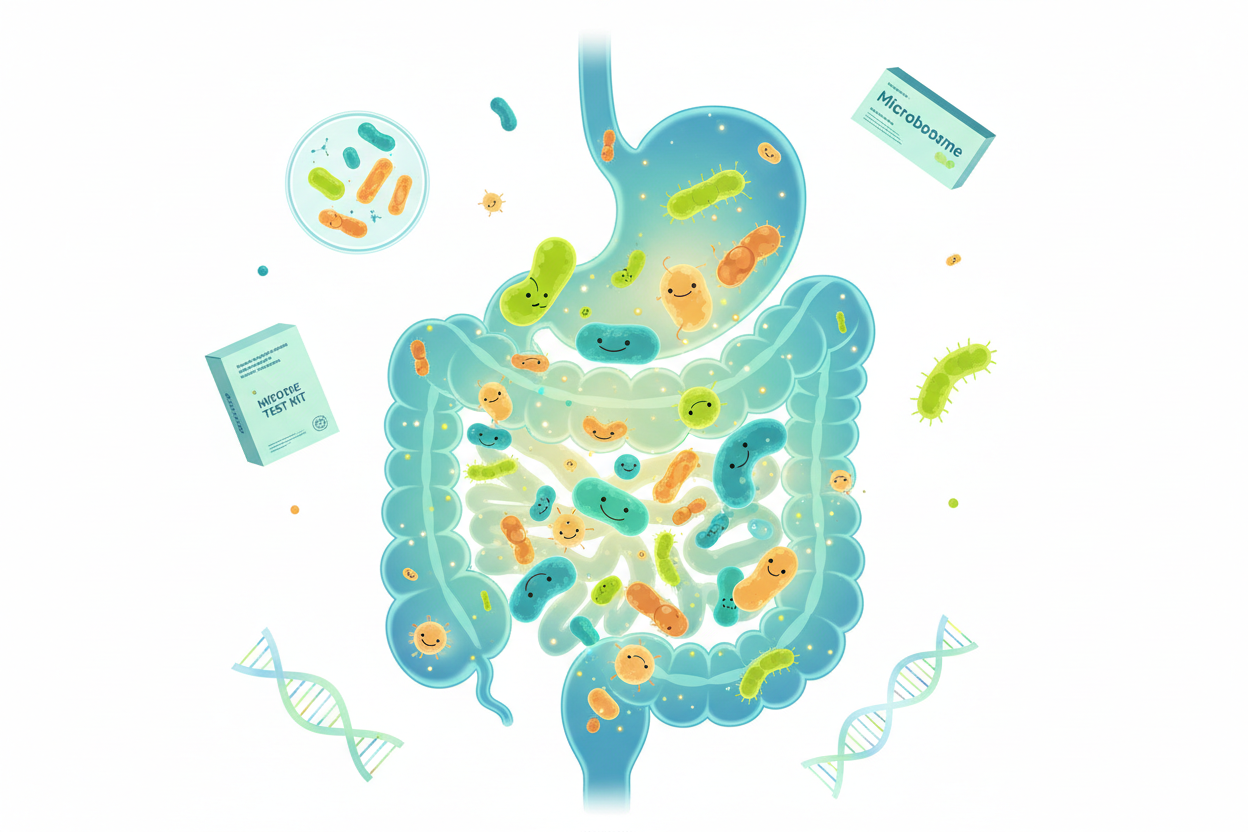

Bloating is one of the most common digestive complaints, yet it's also one of the most misunderstood.
For some people, bloating happens after every meal. Others notice it only with certain foods, during times of stress, or around hormonal changes. You may have tried eliminating gluten, cutting dairy, following a low FODMAP diet, taking probiotics, or treating yourself for SIBO—only to find the bloating keeps coming back.
The reason is simple:
Bloating isn't a diagnosis. It's a symptom.
The key to improving bloating isn't finding one "bad" food or one "bad" bacteria. It's understanding why your digestive system is producing bloating in the first place.
One important piece of that puzzle is your gut microbiome.
Can Your Gut Microbiome Cause Bloating?
Your gut microbiome is made up of trillions of bacteria that help digest food, produce vitamins, support your immune system, and maintain the health of your digestive tract.
Many of these bacteria ferment dietary fiber and carbohydrates—a normal process that produces beneficial compounds called short-chain fatty acids (SCFAs) along with small amounts of gas.
In a healthy microbiome, this process is balanced.
But when the bacterial ecosystem becomes disrupted (a state known as dysbiosis), fermentation patterns can change.
Some bacteria may become overrepresented.
Others may become depleted.
This can contribute to:
- Excess gas production
- Abdominal distension
- Food sensitivities
- Altered bowel habits
- Slower recovery after antibiotics or illness
- Ongoing digestive discomfort
Because many different microbial patterns can contribute to bloating, understanding the entire ecosystem is often more valuable than focusing on a single organism.
What Causes Chronic Bloating?
Bloating can result from many different conditions, including:
- Gut dysbiosis
- Irritable bowel syndrome (IBS)
- Small intestinal bacterial overgrowth (SIBO)
- Constipation
- Food intolerances
- FODMAP carbohydrate fermentation
- Reduced digestive enzyme production
- Stress and changes in gut-brain signaling
- Hormonal fluctuations
- Slowed gut motility
Many of these conditions produce similar symptoms, making it difficult to know where to begin.
That's why testing can be helpful—not to diagnose bloating itself, but to better understand one of its potential contributors.
What Should a Microbiome Test Look For?
Not all microbiome tests measure the same things.
If bloating is your primary concern, the most useful tests should help answer questions such as:
Is the bacterial ecosystem balanced?
A healthy microbiome contains hundreds of bacterial species living together in balance.
If only a small number of organisms dominate the ecosystem, digestion and fermentation patterns may be altered.
Is microbial diversity reduced?
Higher microbial diversity is generally associated with greater ecosystem resilience.
Lower diversity has been linked to a variety of digestive and metabolic conditions.
Are beneficial bacteria present?
Certain bacteria help produce short-chain fatty acids, support the intestinal lining, and contribute to healthy digestion.
Looking at these organisms in the context of the entire ecosystem provides more meaningful information than evaluating them in isolation.
Are there signs of dysbiosis?
Patterns such as inflammatory bacterial groups, reduced resilience, or ecosystem imbalance may help explain why symptoms persist despite dietary changes.
What functions might the microbiome support?
Some advanced microbiome tests estimate the ecosystem's potential to support functions such as:
- Short-chain fatty acid production
- Mucosal barrier support
- Bile acid metabolism
- Vitamin production
- Carbohydrate fermentation
These insights can help clinicians build more personalized intervention plans.
Understanding FODMAP Fermentation May Provide Additional Clues
For many people with bloating, the question isn't simply "Which bacteria are present?" It's "How are my gut bacteria interacting with the foods I'm eating?"
Many foods that trigger bloating—such as onions, garlic, beans, apples, wheat, and certain dairy products—contain FODMAPs (Fermentable Oligosaccharides, Disaccharides, Monosaccharides, and Polyols). These carbohydrates are fermented by bacteria in the gut, producing gases such as hydrogen, methane, and carbon dioxide.
Fermentation itself is a normal and healthy process. In fact, it's how beneficial bacteria produce important compounds like short-chain fatty acids that nourish the gut lining and support overall health.
The problem arises when the bacterial ecosystem becomes imbalanced.
Changes in bacterial composition can alter how efficiently these carbohydrates are fermented, potentially leading to excessive gas production, abdominal distension, and bloating after eating certain foods.
That's why GutID goes beyond identifying bacteria. Using your microbiome profile, GutID provides FODMAP Sensitivity and FODMAP Fermentation scores that help estimate how your bacterial ecosystem may respond to fermentable carbohydrates.
These scores don't diagnose a food intolerance or replace a structured low FODMAP elimination and reintroduction process. Instead, they provide another layer of context that can help explain why some people experience bloating after eating high-FODMAP foods and help clinicians personalize dietary recommendations based on the unique characteristics of an individual's microbiome.
Rather than permanently eliminating healthy foods, these insights can support a more targeted approach—identifying opportunities to improve the bacterial ecosystem while helping patients better understand the relationship between their microbiome and digestive symptoms.
Why GutID Takes an Ecosystem-First Approach
Many microbiome tests focus on identifying individual organisms.
GutID was designed to answer a different question:
What does the entire bacterial ecosystem look like?
Your microbiome functions like a forest.
You wouldn't assess the health of a forest by counting a single tree.
You'd want to know:
- How many different tree species are present?
- Which trees dominate?
- Which are disappearing?
- Is the ecosystem balanced?
The gut microbiome works exactly the same way.
GutID uses Titan-1™ long-read ribosomal sequencing to create a high-resolution map of the bacterial ecosystem.
Rather than reconstructing bacteria from fragmented DNA, Titan-1 measures complete bacterial genetic fingerprints to build a more complete picture of:
- Bacterial diversity
- Relative abundance
- Ecosystem resilience
- Ecological balance
- Functional potential
Because before you can understand why bloating is occurring, you first need an accurate understanding of the ecosystem.
Can a Microbiome Test Diagnose Bloating?
No.
A microbiome test cannot diagnose bloating or determine its cause on its own.
Bloating is influenced by many factors, including:
- Diet
- Stress
- Gut motility
- Digestive enzyme production
- Hormones
- The gut microbiome
Microbiome testing is one piece of the clinical puzzle.
When combined with your symptoms, medical history, diet, medications, and other laboratory findings, it can help identify patterns that may contribute to ongoing digestive symptoms and guide a more personalized plan.
Who Should Consider Microbiome Testing for Bloating?
A microbiome test may be worth considering if you:
- Experience bloating several times per week
- Feel like you've tried multiple diets without lasting relief
- Have IBS or recurring digestive symptoms
- Have been treated for SIBO but symptoms continue
- Want to better understand your gut health before starting another protocol
- Are working with a clinician to identify contributors to persistent digestive symptoms
Why Choose GutID?
GutID was designed for people who want more than a list of bacteria.
Our patented Titan-1™ long-read sequencing technology provides a high-resolution map of your bacterial ecosystem, helping you and your clinician understand the patterns that may be contributing to digestive symptoms like bloating.
Rather than asking, "Which bacteria do I have?", GutID helps answer the more meaningful question:
"What is happening within my gut ecosystem, and how might that be contributing to my symptoms?"
By combining advanced sequencing technology with ecosystem-focused reporting, GutID helps move the conversation beyond symptom management toward understanding the biology behind your digestive health.
Take the Next Step
If bloating has become your normal, it may be time to stop guessing.
A GutID microbiome test can provide a detailed picture of your bacterial ecosystem, giving you and your healthcare provider the information needed to develop a more personalized, ecosystem-based approach to improving gut health.
Because lasting digestive health starts with understanding the ecosystem—not chasing individual symptoms.
Share:
How to Offer Microbiome Testing in Your Clinic: A Practical Guide for Clinicians
Testing Your Gut After Antibiotics: When and Why You Should Consider a Microbiome Test